d
r
v
i
j
a
y
b
u
d
h
w
a
r

There are many variations of passages available sure there majority have suffered alteration in some form by inject humour or randomised words which don't look even slightly believable.



Common Questions About Endocrinology Care
Find answers to frequently asked questions about diabetes, thyroid disorders, and other endocrine conditions. Dr. Vijay Budhwar provides expert guidance for all your endocrine health concerns.
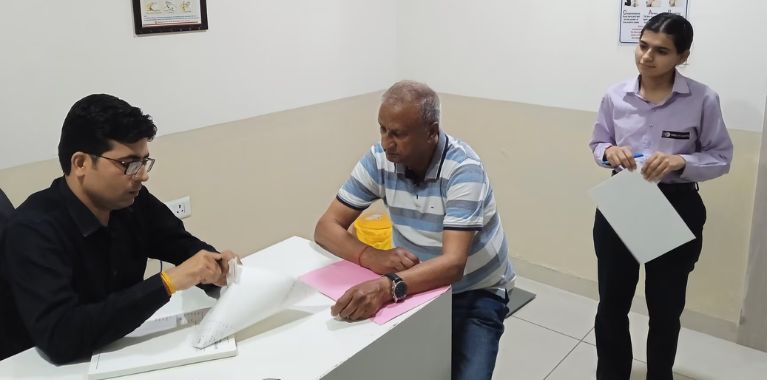
Early signs of diabetes include excessive thirst, frequent urination, unexplained weight loss, fatigue, blurred vision, and slow healing wounds. If you experience these symptoms, it's important to get your Blood Glucose Levels and HbA1C checked and contact nearest Endocrinologist for proper diagnosis and treatment.
Thyroid problems can cause symptoms like unexplained weight changes, fatigue, hair loss, mood changes, irregular heartbeat, menstrual irregularities, and temperature sensitivity. Contact your nearest Endocrinologist if you experience these symptoms. Thyroid function test (TSH, T3, T4) is the first step in diagnosing thyroid ailments.
As per ICMR (Indian Council of Medical Research), Diabetes Screening in India should start at 30 years of age. However, a strong family history of diabetes/obesity may warrant screening from 18 years of age. If glucose levels are normal, screening to be repeated after every 3 years (Preferably,annually in case of strong family history of diabetes/obesity). In case of raised glucose levels/diabetes, consult your nearest Endocrinologist and he shall guide you regarding frequency of blood glucose monitoring.However, HbA1C testing every 3-4 months helps in optimising treatment.
Effective diabetes management includes maintaining a balanced diet with controlled carbohydrates, regular physical activity, consistent medication timing, stress management, adequate sleep, and regular monitoring of blood sugar levels. Contact your nearest Endocrinologist for comprehensive lifestyle guidance and optimal diabetes control.
You should see an endocrinologist if you have diabetes, thyroid disorders, unexplained weight changes, hormonal imbalances, osteoporosis, growth issues, or reproductive hormone problems.